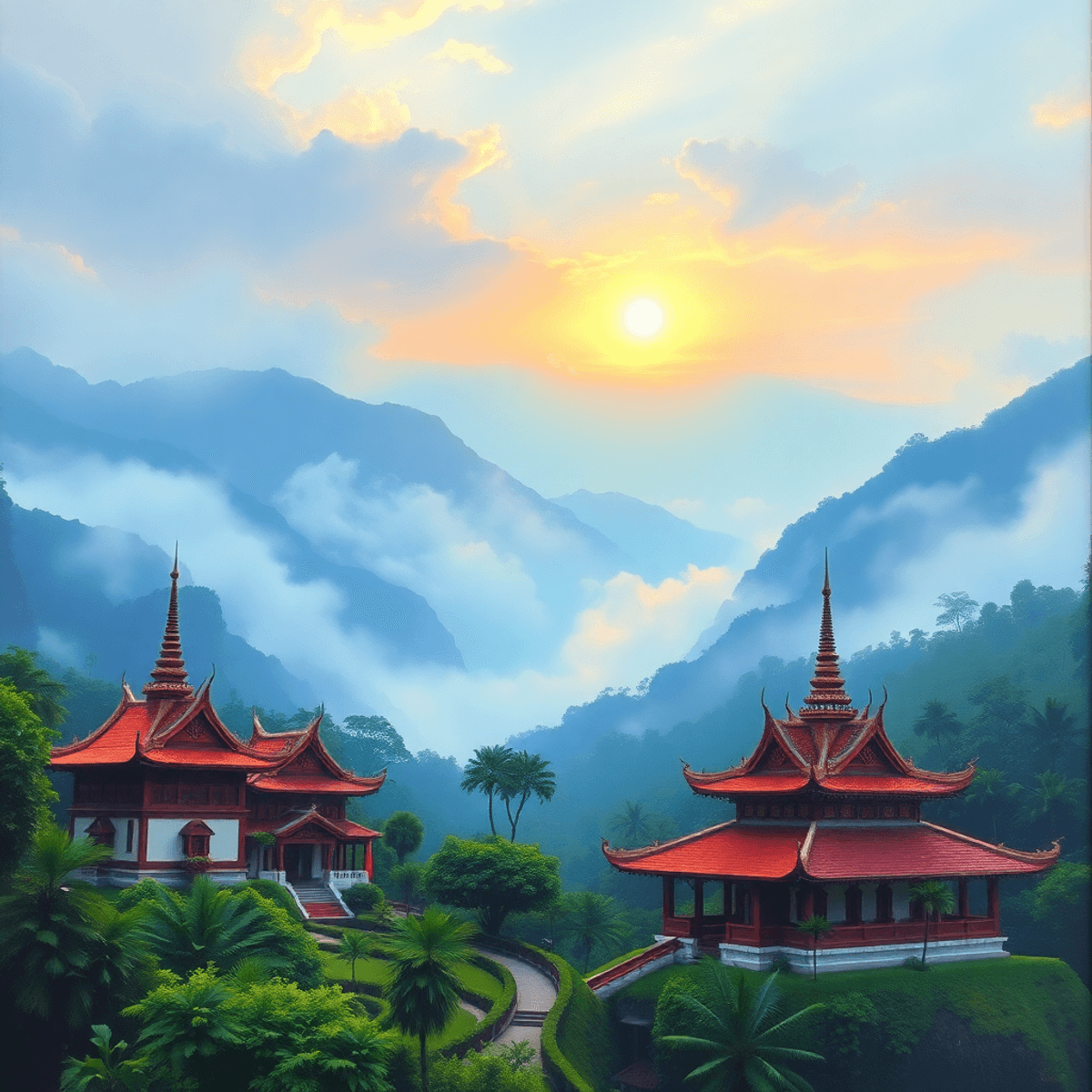
Buddhism, a profound world religion rooted in ancient India, has journeyed across continents, weaving itself into the cultural and spiritual fabric of countless communities. Its teachings on mindfulness, compassion, and enlightenment found fertile ground not only in vast urban centers but also in remote corners such as Bueng Kan, a province where nature and faith embrace.
The Buddhist temples of Bueng Kan stand as silent witnesses to centuries of devotion and cultural exchange. These sacred spaces embody more than religious practice—they are living chronicles of local identity shaped by Buddhism’s influence. Visitors often wonder why you can feel sick after visiting old mountain temples; this mysterious sensation sometimes arises from the altitude and deep spiritual energy concentrated within these ancient structures, inviting reflection on the connection between body, mind, and place.
In this exploration, we delve into:
- The historical impact of Bueng Kan's temples on local culture
- Architectural marvels that captivate both devotees and travelers
- Daily rituals and vibrant festivals unique to this region
- The role of temples as community centers amid serene natural landscapes
Tourists navigating Bueng Kan will appreciate insights on tourist-friendly amenities and accommodations, ensuring a meaningful pilgrimage enriched by the highlights of scenic and memorable shots captured around these holy sites.
This journey invites readers to uncover how Buddhism shapes not only spiritual life but also the social heartbeat of Bueng Kan through its timeless temples.
Historical Significance of Bueng Kan's Buddhist Temples
Located in the northeastern part of Thailand, Bueng Kan is a province filled with history, culture, and spirituality. The origins and history of key temples in Bueng Kan go back many years, showing how deeply Buddhism has influenced the local identity. These holy places are not just places of worship; they hold the memories of the community and its cultural heritage.
Origins and History of Key Temples
Bueng Kan's Buddhist temples were established during the time of the Lan Xang kingdom (14th-18th century) when Buddhism had a significant impact on the region. Some temples from this period were built by monks who traveled from Laos and other parts of Southeast Asia, spreading Theravāda Buddhism. This exchange between cultures brought together various rituals and artistic expressions into local practices.
One notable temple, Wat Phu Tok, showcases the connection between faith and geography. Sitting on top of a steep sandstone mountain, its origins are surrounded by legends but can be traced back to early efforts by Buddhist missionaries. The temple's terraces represent the spiritual journey towards enlightenment, echoing ancient teachings passed down through generations.
Influence on Local Culture and Identity
The historical importance of Bueng Kan's Buddhist temples goes beyond their religious role. They have played a crucial part in:
- Shaping local traditions: Many village festivals center around temple ceremonies where traditional dances, music, and food customs are performed. These gatherings strengthen community bonds.
- Education and literacy: Traditional monastic schools within temple grounds were among the first formal education centers for children in rural communities.
- Social support: Temples often provided refuge during difficult times—offering shelter and assistance during floods or epidemics.
Buddhism's moral teachings have had a profound influence on daily life, instilling values such as compassion (metta) and mindfulness (sati) that resonate through family structures and community interactions.
Tips for Planning a Visit to Bueng Kan’s Temples
If you're interested in exploring this rich historical tapestry firsthand:
- Timing: Visit during important festivals like Bun Bang Fai (Rocket Festival) or Makha Bucha Day to witness vibrant rituals.
- Respect local customs: Dress modestly; remove shoes before entering prayer halls.
- Guided tours: Engage local guides who can narrate temple histories intertwined with folklore—offering insights impossible to gain alone.
- Combine nature with culture: Many temples are located near natural landmarks like rivers or mountains—perfect for contemplative walks.
Bueng Kan’s Buddhist temples serve as gateways into a world where history comes alive through stone carvings and chanting monks, inviting visitors to take part in an ancient conversation between past and present.
Architectural Marvels of Bueng Kan's Temples
The Buddhist temple architecture in Bueng Kan reveals a fascinating blend of traditional and regional influences, creating a unique visual identity that stands apart from other parts of Thailand. Each temple is not merely a place of worship but a vivid canvas displaying the cultural soul of the province.
Unique Architectural Styles of Bueng Kan's Temples
The design of Bueng Kan temples often incorporates elements from Isan (Northeastern Thai) architecture, fused with Lao and Khmer influences due to the province’s geographical and historical connections. This fusion results in distinctive features such as:
- Multi-tiered roofs with elegantly curved finials called chofas, which resemble the beak of a mythical bird, symbolizing protection.
- Use of local materials like teak wood and sandstone, reflecting both environmental adaptation and local craftsmanship.
- Intricate wood carvings on doors, windows, and pillars depicting mythical creatures such as nagas (serpent deities) and garudas (bird-like beings), guardians in Buddhist lore.
- The presence of stupas (chedis) with elongated spires, often gilded or painted in vibrant colors, serving as reliquaries or monuments commemorating significant events or figures.
One remarkable example is Wat Phu Tok, perched atop an isolated mountain. Its architectural layout adapts ingeniously to the natural landscape through stairways spiraling around the summit, symbolizing the spiritual ascent toward enlightenment.
Symbolism Embedded in Temple Decorations
Decoration within Bueng Kan's temples serves multiple purposes — aesthetic appeal, storytelling, and spiritual symbolism. Rich iconography communicates Buddhist teachings and local folklore simultaneously:
- The murals adorning temple walls depict scenes from the Jataka tales, stories of Buddha’s previous lives. These murals are painted with vivid colors using natural pigments, narrating moral lessons for devotees.
- Golden motifs representing the Lotus flower, a symbol for purity arising unstained from muddy waters, are prevalent throughout temple interiors.
- The use of mirrors and glass mosaics reflects light dramatically inside prayer halls, symbolizing wisdom illuminating ignorance.
- Intricate depictions of celestial beings known as devas adorn ceilings and pediments, reminding visitors of divine protection over the sacred space.
Each element within Bueng Kan temples functions as a symbolic language rooted deeply in Buddhist philosophy but also enriched by local artistic traditions. This layered symbolism enhances the spiritual ambiance for worshippers while offering cultural insight to visitors.
Exploring these architectural marvels reveals how Bueng Kan’s temples stand as living museums where history, spirituality, and artistry intertwine seamlessly.
Cultural Practices and Rituals at Bueng Kan's Temples
Bueng Kan’s Buddhist temples are alive with daily rituals and colorful festivals that bring together the community’s spiritual and cultural life. These activities not only nurture religious devotion but also safeguard distinct local identities shaped by centuries of tradition.
Daily Rituals Observed in Bueng Kan Temples
Every morning, as the sun rises over the peaceful scenery, monks and laypeople come together for morning chanting and alms offering. The rhythmic chanting of Pali scriptures fills the air, creating an atmosphere of reverence and peace. Devotees present food offerings to the monks, symbolizing generosity (dāna) and reinforcing the symbiotic relationship between monastic and lay communities.
After these ceremonies, meditation sessions take place, often in calm temple halls or open courtyards shaded by ancient trees. Visitors sometimes feel a strange sensation after spending time in these old mountain temples — something locals believe is due to the sacred energy concentrated in these spaces. However, modern geographic data research on sick monks suggests that environmental factors like altitude, humidity, or even subtle mold spores may also contribute to this feeling of unease.
In the evenings, rituals similar to those in the morning occur with chanting and prayers dedicated to the Buddha, Dharma (teachings), and Sangha (monastic community). The lighting of candles and incense sticks during these ceremonies symbolizes wisdom dispelling ignorance, a core principle reflected throughout Bueng Kan’s Buddhist rituals.
Festivals and Special Events Unique to Local Temples
Bueng Kan has many festivals that highlight its lively cultural heritage. One such festival is the Bun Bang Fai Rocket Festival, celebrated here with great enthusiasm. This festival combines animist traditions with Buddhist rites as locals create intricate bamboo rockets and launch them into the sky to summon rain for abundant harvests—a vivid example of how Buddhism intertwines with ancient agricultural customs.
Another important occasion is Makha Bucha Day, which features candlelight processions around temple ordination halls (ubosot). Villagers don traditional clothing while monks deliver sermons on morality and mindfulness during this solemn night fostering communal harmony through shared spiritual reflection.
During Songkran, Thai New Year celebrations take on a unique character in Bueng Kan. Temples become central locations where water blessings are bestowed upon both individuals and Buddha images, signifying purification and renewal. The merging of joyful festivities with profound religious observance showcases the community’s heartfelt devotion.
Local temples also organize merit-making ceremonies for health, prosperity, and honoring ancestors. These events often include musical performances, traditional dances, and communal feasts—moments when spiritual practice extends beyond personal devotion into collective cultural expression.
The diverse range of Buddhist rituals in Bueng Kan not only showcases religious dedication but also highlights a deep connection between people, their surroundings, and history. Festivals carry tales passed down through generations while everyday customs firmly anchor visitors within this eastern Thai province's sacred landscapes' living spirit.
Spiritual Journeys and Meditation Retreats in Bueng Kan
Bueng Kan’s mountain temples offer a sanctuary where mountain temples spirituality becomes a living experience. Nestled amid lush greenery and misty hills, these sacred sites invite seekers to step away from the clamor of everyday life and immerse themselves in quiet contemplation.
Opportunities for Meditation and Spiritual Retreats
1. Immersive Meditation Programs
Several temples in Bueng Kan host meditation retreats that range from a few days to several weeks. These programs often include guided mindfulness sessions, breathing exercises, and teachings rooted in Theravāda Buddhist traditions. Participants learn to cultivate inner peace while surrounded by the natural beauty of the region.
2. Solitary Practice in Nature
The serene environment around Bueng Kan’s temples supports solitary meditation practice. Many visitors choose to spend time alone on temple grounds or nearby forest trails, finding solace in the gentle sounds of nature—a vital complement to their spiritual journey.
3. Monastic Guidance
Experienced monks offer personal guidance during retreats, sharing wisdom on Buddhist philosophy as well as practical advice for integrating meditation into daily life. This mentorship deepens the retreat experience by fostering a direct connection between teacher and student.
Experiences of Seeking Spiritual Solace in Bueng Kan’s Temples
Visitors recount moments of profound stillness while watching dawn break over temple rooftops or listening to the chanting that echoes through the mountains. Many speak of an awakening—a subtle shift toward mindfulness and compassion—triggered by the temple’s sacred atmosphere combined with disciplined practice.
Engaging with these retreats is not only about learning meditation techniques but about entering a timeless space where spiritual transformation unfolds naturally. The combination of mountain temples spirituality and immersive retreat programs makes Bueng Kan a unique destination for those yearning for deep reflection and renewal.
Exploring Nature Around Bueng Kan's Temples
Buddhism and nature have a deep connection that is clearly seen in the areas surrounding Bueng Kan’s temples. The nature connection Buddhism promotes is not just symbolic but something to be experienced, encouraging visitors to fully engage with the environment that nurtures both body and spirit.
Natural Landscapes Surrounding the Temples
Bueng Kan’s temples are often located amidst lush greenery, rugged hills, and winding rivers. These natural landscapes silently accompany the sacred spaces, creating an atmosphere perfect for reflection and meditation. Ancient trees, with their roots intertwined like the threads of time, provide shade and a sense of timelessness. The sound of birds singing fills the air, blending with the soft chants coming from within temple walls.
Here are some ways in which these natural elements enhance the spiritual experience:
- Forest groves near temples offer cool retreats where monks walk barefoot on moss-covered paths.
- Riverside views invite quiet contemplation by the water’s edge, where rippling currents mirror the flow of thoughts.
- Mountain backdrops frame many temples, symbolizing the Buddhist quest for higher understanding and enlightenment.
Exploring Nature and Serenity Around the Temples
Visitors often find that combining nature walks with temple visits enriches their spiritual experience. Walking through bamboo groves or along stone pathways lined with wildflowers allows one to slow down and connect with the subtle rhythms of life. The gentle rustling of leaves can serve as a natural mantra, helping clear mental clutter.
Walking meditation becomes a living practice here—each step a deliberate movement of mindfulness rooted in place and moment. This combination of nature and spirituality guides seekers towards an embodied awareness that goes beyond any temple's walls.
“The mountain is my monastery,” some monks say, reflecting how these natural surroundings are extensions of their sacred practice rather than mere backdrops.
The harmony between temple architecture and its environment speaks volumes about Buddhist philosophy. It emphasizes interconnectedness: humans as part of nature, not apart from it. This holistic approach invites every visitor to witness serenity not only inside temple halls but all around them—in every leaf, stone, and breath of wind that sweeps through Bueng Kan’s sacred grounds.
Local Legends and Myths Enhancing the Cultural Fabric of Bueng Kan
Bueng Kan myths are woven deeply into the identity of the region, breathing life into its temples beyond their physical presence. These temple legends are not just tales told around fires; they are living narratives that echo through generations, shaping how locals and visitors alike perceive these sacred spaces.
Ancient Monks and Spiritual Energies
One prevalent story speaks of ancient monks who retreated to Bueng Kan’s mountain temples seeking enlightenment. According to legend, some visitors experience an unusual sensation—why you can feel sick after visiting old mountain temples—attributed to the powerful spiritual energies lingering in these places. This phenomenon, often described as a mix of dizziness or unease, is believed by locals to be the temple’s way of cleansing impurities from one’s body and soul. Such beliefs attract curious souls hoping to test their own spiritual resilience or find healing through this mysterious connection.
Guardian Spirits and Rituals
Several local legends and myths revolve around guardian spirits said to protect Bueng Kan’s temple grounds. These entities, invisible yet palpable, are respected and feared in equal measure. Stories tell of travelers who were saved from danger by unseen forces or received cryptic guidance during moments of crisis. The reverence for these guardians enriches local culture by inspiring rituals intended to honor them, which are unique to this part of Thailand.
Stories Shaping Tourism
Tourism takes on a different flavor here when stories become part of the visitor experience. Pilgrims and tourists arrive not just for architecture or meditation but also driven by curiosity about these stories and myths associated with Bueng Kan temples. Temple tours often include recounting these tales, giving travelers a glimpse into the spiritual tapestry that makes Bueng Kan more than just a destination—it becomes a place where history, belief, and myth intertwine.
Festivals and Artistic Expressions
The influence of these stories extends beyond storytelling; they shape festivals, artistic expressions, and community gatherings centered on honoring temple guardians and commemorating mystical events from legend. In this way, Bueng Kan’s temple myths act as cultural glue, binding people together through shared reverence and wonderment.
Pilgrimage Tourism in Bueng Kan: Balancing Spirituality and Visitor Experience
The Significance of Pilgrimage in Bueng Kan
The temples in Bueng Kan have long been a beacon for spiritual seekers from across Thailand and neighboring countries. The act of pilgrimage here is not merely a visit; it is an immersive journey into the heart of Buddhist practice and local devotion. Each temple serves as a living testament to faith, drawing pilgrims who come not only to worship but to connect deeply with the sacred history embedded in these places.
The Interplay Between Pilgrimage and Tourism
Pilgrimage and tourism in Bueng Kan intertwine in a delicate dance. The influx of visitors breathes life into the temples, helping sustain their maintenance and the monks' daily religious activities. Temple authorities have embraced this role by developing facilities that respect the sanctity of worship while welcoming tourists with open arms. Spaces for meditation, guided tours, and cultural performances offer visitors meaningful encounters without disrupting the spiritual atmosphere.
How Pilgrimage Tourism Supports Religious Significance
A few elements illustrate how pilgrimage tourism supports religious significance:
- Economic support: Donations from pilgrims and tourists fund temple restoration projects and community welfare programs.
- Cultural exchange: Visitors bring new perspectives, enriching local practices through shared experiences.
- Educational outreach: Temples provide workshops on Buddhist teachings, enhancing understanding among tourists.
The Balance at Wat Phu Tok
Temples such as Wat Phu Tok, perched atop rocky cliffs, exemplify this balance. Pilgrims climb its steep paths as an act of devotion, while tourists marvel at its natural beauty and architectural ingenuity. The experience nurtures both spiritual growth and cultural appreciation.
Managing Visitor Impact
Managing visitor impact remains an ongoing challenge. Temple caretakers enforce respectful behavior codes—appropriate dress, silence during ceremonies—and limit crowd sizes during peak festival times to maintain tranquility. This approach ensures pilgrimage stays rooted in reverence even as tourism flourishes.
In Bueng Kan’s evolving landscape, pilgrimage tourism emerges as a vital force preserving religious heritage while inviting others to witness its profound beauty firsthand. This balance between spirituality and tourism is not only crucial for sustaining these sacred sites but also for fostering cultural exchange and promoting educational outreach about Buddhism among visitors.
Temples as Centers of Community Development in Bueng Kan
In the heart of Bueng Kan, temples extend far beyond their spiritual duties. They stand as vibrant hubs of community life, shaping social cohesion and fostering local development. The community role temples play here is deeply rooted in centuries-old traditions where sacred spaces serve both as places of worship and centers for social work.
Supporting Communities through Initiatives
Temples act as pillars supporting the welfare of surrounding communities through various initiatives:
- Educational programs: Many temples have established schools or learning centers offering free or affordable education to children and adults alike. These programs often cover basic literacy, religious studies, and vocational training aimed at empowering locals with practical skills.
- Health and wellness outreach: Temple authorities sometimes organize health camps, providing medical check-ups and spiritual counseling. This effort is particularly important in rural Bueng Kan, where access to healthcare can be limited.
- Social support services: Temples frequently coordinate aid for vulnerable groups such as the elderly, disabled, or impoverished families. Food distribution drives during festivals or after natural disasters highlight a compassionate commitment to community well-being.
- Cultural preservation workshops: Teaching traditional crafts, dance, and music within temple grounds helps sustain local heritage while creating income-generating opportunities for artisans.
One notable example is Wat Phothisomphon, which runs an evening school for village children and offers meditation classes that attract participants from all ages. The temple’s monks actively engage in teaching ethical values alongside practical knowledge, nurturing a sense of responsibility toward society.
The role of temples in local community development reaches into many dimensions—education, health, culture, and social care—making them indispensable to the collective prosperity of Bueng Kan’s people. This integration of religious purpose with social action exemplifies Buddhism's enduring influence on everyday life here.
Artistic Expressions in Bueng Kan's Temples: Preserving Cultural Heritage Through Art
Bueng Kan’s temples are living galleries of Buddhist art, where every brushstroke and carved figure tells a story steeped in spirituality and tradition. The study of religious art forms and iconography found in Bueng Kan reveals a rich tapestry of cultural heritage that has been meticulously preserved through generations.
Distinctive Religious Art Forms
- Murals and frescoes: Many temple walls are adorned with vivid murals depicting scenes from the life of the Buddha, Jataka tales, and local folklore. These paintings use bold colors and intricate patterns, reflecting both Theravāda Buddhist influences and indigenous artistic styles.
- Sculptural works: Stone and wood carvings of deities, mythical creatures like Naga serpents, and guardian figures stand sentinel at temple entrances. Each sculpture embodies symbolic meanings designed to ward off evil and invite blessings.
- Lacquerware and gold leaf: Decorative elements often include delicate applications of gold leaf on statues and altars, highlighting reverence for sacred objects.
Religious Iconography
Iconography serves as a visual language communicating Buddhist teachings without words. In Bueng Kan:
- The Buddha's hand gestures (mudras) express different spiritual states — meditation, protection, or teaching.
- Lotus flowers, symbolizing purity arising from the murky waters of suffering, appear repeatedly in decorative motifs.
- The presence of specific animals or celestial beings reflects local mythologies intertwined with Buddhism, forging a unique iconographic identity.
Why You Can Feel Sick After Visiting Old Mountain Temples
A curious phenomenon reported by some visitors involves feeling unwell after spending time inside ancient mountain temples. This may be linked to:
- The enclosed spaces filled with incense smoke, which can cause lightheadedness.
- Age-old wooden structures emitting natural mold or dampness.
- The intense atmosphere created by spiritual energy combined with physical factors such as altitude or poor ventilation.
Understanding these aspects adds depth to appreciating temple art—not only as an aesthetic experience but also as part of a holistic encounter involving mind, body, and spirit.
The artistic expressions in Bueng Kan’s temples do far more than decorate sacred spaces; they preserve cultural heritage through tangible symbols that continue to inspire devotion, community identity, and historical continuity across generations.
Exploring the Temples of Bueng Kan Through Photography
The art of photography at Buddhist sites in Bueng Kan offers a unique window into the soul of this tranquil region. Each temple, surrounded by lush greenery or located on gentle hills, invites photographers to capture not just structures but the very essence of temple life.
Finding Beauty and Peace in Every Frame
- Morning light casts a golden hue over gilded stupas and intricate carvings, highlighting every delicate detail etched by skilled artisans.
- The reflection of temples in still temple ponds creates mirror images that evoke a sense of peace and timelessness.
- Monks in saffron robes move with quiet grace, their presence adding life and movement to static scenes, revealing the daily rhythm of devotion.
- Architectural features like tiered roofs and guardian statues provide compelling subjects for framing and composition.
Photography enthusiasts often find themselves drawn to:
- Close-up shots of decorative motifs—lotus flowers, mythical creatures, and sacred scripts—that reveal layers of symbolism.
- Wide-angle views capturing the harmony between temple complexes and their natural surroundings.
- Candid moments during rituals where worshippers offer prayers or light incense, conveying deep spiritual connection.
The Photographic Journey Through Bueng Kan’s Temples extends beyond mere documentation. It becomes a meditative practice where the observer slows down, tuning into subtle details often missed by hurried visitors. This mindful approach enhances appreciation for both tangible artistry and intangible serenity.
Visiting these temples with a camera allows one to preserve fleeting moments that tell stories—of faith, history, community, and nature intertwined. The resulting images serve as visual narratives inviting viewers worldwide to experience Bueng Kan’s spiritual heritage from afar or inspire them to embark on their own pilgrimage.
Conclusion
The ongoing influence of Buddhism in Baung Kan remains a powerful force shaping the region’s identity, culture, and spirituality. This influence is not confined to ancient scriptures or rituals; it lives vividly through temple architecture, community events, and the peaceful ambiance that invites reflection and inner calm.
Visitors who approach these sacred sites with respect and curiosity often discover more than just historical landmarks. They step into a living tradition where every statue, mural, and chant carries profound meaning. Yet, some travelers report an unexpected sensation — feeling sick after visiting old mountain temples. This phenomenon sparks questions tied to the unique geography, climate, and perhaps spiritual energy surrounding these ancient places. Scientific research into the health of monks living in remote temples suggests factors such as altitude, air quality, or even psychological effects of intense meditation might play a role.
Embracing Baung Kan’s Buddhist heritage means engaging with its many layers:
- Deep-rooted history that continues to evolve
- Architectural wonders that embody symbolism
- Cultural practices that unite communities
- Spiritual journeys that nourish the soul
Approach each temple not only as a tourist but as a respectful learner. The rich tapestry of Buddhism in Baung Kan offers lessons waiting to be discovered—through quiet observation, thoughtful study, and heartfelt participation.
FAQs (Frequently Asked Questions)
Why can you feel sick after visiting old mountain temples in Bueng Kan?
Feeling sick after visiting old mountain temples in Bueng Kan may be due to the high altitude, changes in air quality, or exposure to unfamiliar natural elements. Additionally, the spiritual and cultural atmosphere combined with physical exertion while exploring these historic sites can sometimes cause discomfort. Visitors are advised to prepare accordingly and listen to their bodies during visits.
What is the historical significance of Bueng Kan's Buddhist temples?
Bueng Kan's Buddhist temples hold deep historical significance as they trace back to the origins of Buddhism's spread into the region. These temples have played a pivotal role in shaping local culture, identity, and community development over centuries, reflecting the intertwined history of religion and society in Bueng Kan.
What unique architectural features are found in Bueng Kan's Buddhist temples?
The Buddhist temples of Bueng Kan showcase unique architectural styles characterized by intricate designs and symbolic decorations. These architectural marvels incorporate traditional motifs and local influences that represent spiritual themes and cultural heritage, making them significant landmarks for both religious practice and aesthetic appreciation.
What cultural practices and rituals are observed at Bueng Kan's temples?
Daily rituals at Bueng Kan's temples include meditation sessions, chanting, offerings, and ceremonies that honor Buddhist teachings. The temples also host local festivals and special events that celebrate religious occasions unique to the region, fostering community participation and preserving cultural traditions.
How do Bueng Kan's temples contribute to community development?
Beyond their religious functions, Bueng Kan's temples serve as centers for social work and education. Temple authorities initiate programs aimed at supporting local development through social services, educational activities, and cultural preservation efforts, thereby strengthening community bonds and improving residents' quality of life.
What opportunities exist for spiritual journeys and meditation retreats in Bueng Kan?
Bueng Kan offers serene mountain temple settings ideal for meditation retreats and spiritual journeys. Visitors can engage in guided meditation sessions, mindfulness practices, and spiritual solace amidst tranquil natural surroundings that enhance inner peace and personal growth within the Buddhist tradition.
Comments
Post a Comment